

Here’s a harsh truth most businesses don’t like hearing.
If you haven’t updated your website in months, it’s likely that Google isn’t giving it much attention.
Search engines are hungry for relevance. Constantly. In 2026, static websites fade fast as AI-driven search determines what surfaces and what is ignored.
That’s where blogging comes in.
This is not the fluffy, keyword-stuffed kind. This type of blogging addresses genuine questions, attracts genuine readers, and establishes genuine authority.
In fact, businesses that actively blog generate over 55% more website visitors than those that don’t, and they earn 67% more leads on average(source: HubSpot). That’s not a trend. That’s momentum.
So the real question isn’t “Should I blog?”
It’s “Can I afford not to?”
Let’s break it down.

The Role of a Blog in SEO
A blog isn’t just “extra content” on your website. It’s one of the most effective SEO tools you can own if it’s done properly.
How Blogs Contribute to Search Engine Rankings
Websites that remain active and useful rank higher in search engines. A blog gives you a built-in way to do exactly that.
Every new blog post sends a signal: this website is alive, useful, and worth crawling again.
More importantly, blogs allow you to target specific search queries that don’t naturally fit into service pages. While your main pages focus on what you sell, blog content focuses on what people ask before they’re ready to buy.
That’s how blogs improve search engine optimisation (SEO) without forcing keywords into places they don’t belong.
Well-optimised blog posts also increase internal linking opportunities, improve crawlability, and expand your keyword footprint, all essential factors for long-term rankings.
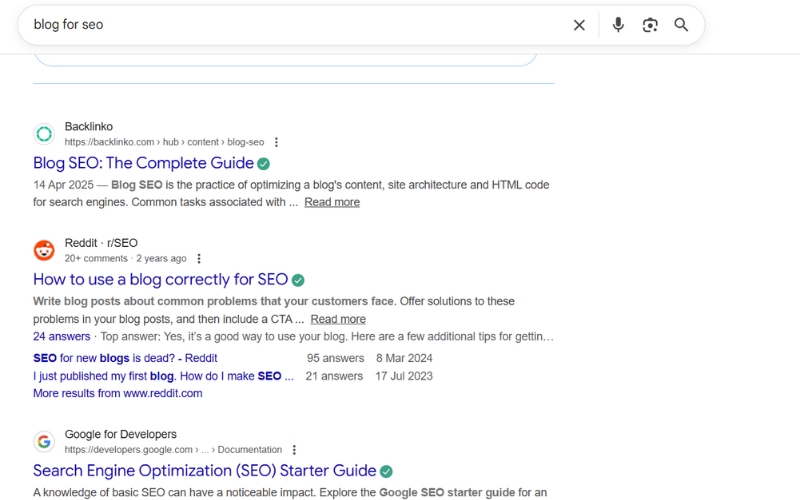
Blogs as a Tool for Organic Traffic Generation
Organic traffic doesn’t happen by accident. It happens when content meets intent.
Blogs and SEO go hand in hand because they let you match content with what people are looking for right now, like informational queries, comparison searches, and problem-based questions.
That alignment matters.
Long-tail searches now account for over 70% of all search queries, and blogs are the best format for capturing them (source: Outrank). These searches often come from users who are closer to making a decision, not just browsing.
A strong SEO blog strategy doesn’t chase traffic volume. It attracts the right audience. The kind that sticks around, explores your site, and eventually converts.
That’s how blogging increases organic traffic in a way that actually supports business growth.
Building Authority and Credibility Through Blogging
Trust is currency in search.
When your website consistently publishes helpful, experience-driven content, search engines begin to associate your brand with expertise. Users do the same.
Over time, this authority leads to:
- Higher rankings
- More backlinks
- Stronger brand recall
Authoritative blog content naturally attracts links from other websites — still one of the strongest r`anking signals available. And unlike paid links, these are earned.
This is how a blog helps SEO beyond keywords. It builds credibility at scale.
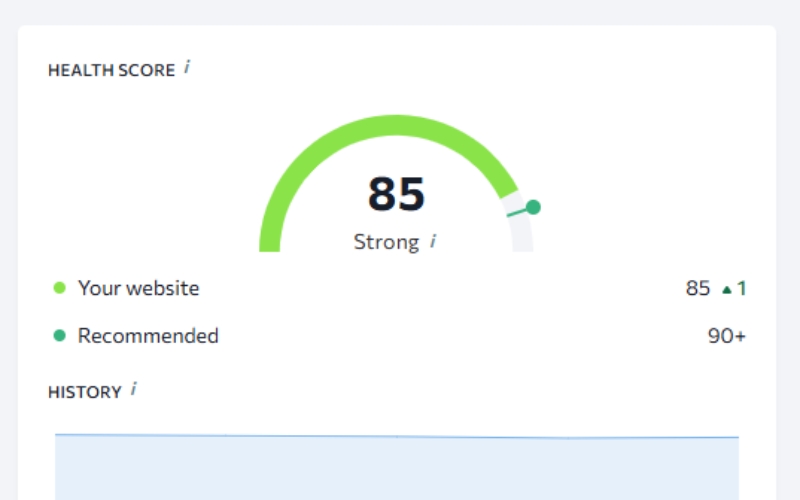
Key SEO Benefits of Having a Blog
The SEO benefits of blogging are hard to ignore if your goal is visibility, relevance, and sustainable growth.
Enhancing Keyword Targeting and Relevance
Keyword research becomes far more powerful when paired with a blog.
Service pages are limited. Blogs are flexible.
They allow you to target:
- Long-tail keywords
- Niche queries
- Question-based searches
- Topic clusters
Instead of forcing every keyword onto a single page, blog content naturally spreads relevance across your site.
That’s why blogs play such a critical role in modern SEO content strategy. They help search engines understand what your website is really about.
And relevance wins rankings.
Improving Search Engine Optimisation Metrics
Search engines don’t just measure what you publish. They measure how people interact with it.
Blog content improves key SEO metrics such as:
- Time on page
- Pages per session
- Bounce rate
- Engagement signals
When users spend more time reading, scrolling, and clicking through related content, it sends a strong signal of value.
In fact, websites with active blogs receive up to 97% more inbound links and significantly higher engagement than non-blogging sites (source: HubSpot).
Better engagement = better rankings. It’s that simple.
Supporting a Comprehensive SEO Strategy
A blog doesn’t replace SEO. It strengthens it.
When integrated properly, blog content supports:
- Website optimisation
- Internal linking
- Topic authority
- Conversion pathways
Blogs also help people progress through the different stages of the buyer journey, from awareness to consideration to action.

That’s why most successful SEO campaigns treat blogs as a core asset, not an add-on.
Whether you work with a digital marketing agency, an experienced SEO consultant, or manage content in-house, blogs act as the connective tissue between visibility and conversion.
Evaluating the Necessity of a Blog for SEO Success
Not every business blogs the same way, but most benefit from blogging more than they realise.
Situations Where a Blog Is Essential for SEO
Blogging is especially powerful if your business:
- Operates in a competitive market
- Relies on organic search for leads
- Sells complex or high-consideration services
- Wants to build authority over time
Industries such as professional services, SaaS, healthcare, real estate, and eCommerce consistently deliver strong returns from blogging for SEO.
Why? Because customers research before they buy.
And blogs answer those questions before competitors do.
Alternatives to Blogging for SEO
Yes, other content formats can support SEO, including landing pages, guides, videos, and FAQs.
But here’s the reality.
Static pages don’t scale intent coverage as well as blogs do. They’re limited in scope and slower to adapt to new search behaviour.
Even video-first strategies rely on written content for discoverability. Without supporting blog content, most SEO opportunities go untouched.
Blogs remain the most efficient way to publish fresh, relevant, indexable content at scale.
Challenges and Considerations in Blog Optimisation
Blogging for SEO isn’t effortless. And doing it poorly can do more harm than good.
Common mistakes include:
- Publishing thin or repetitive content
- Writing for keywords instead of people
- Inconsistent posting schedules
- Ignoring internal linking
- Neglecting content updates
Consistency matters more than frequency. One high-quality post per month beats four rushed ones every time.
A well-optimised blog balances user experience with search visibility, with clarity first and optimisation second.
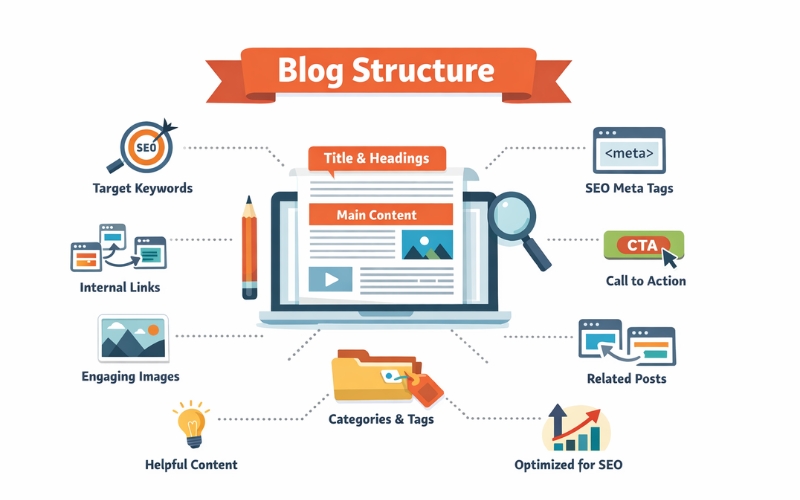
That balance is what separates blogs that rank from those that disappear.
So, Do You Need a Blog for SEO?
If SEO matters to your business, the answer is yes.
Not because “blogs are good for SEO”, that’s too generic.
But blogs give you leverage.
They let you meet customers earlier.
They let you own more searches.
They let you build authority over time instead of renting attention through ads.
SEO without a blog is limited. SEO with blog compounds.
And when blog content is aligned with strong web design, clear messaging, and a long-term strategy, it becomes one of the most powerful growth assets your website can have.
Also Read: How to Rank in AI Search and LLMs
Final Thought
You don’t need to blog endlessly.
You need to blog with intent.
When done properly, a blog becomes one of the strongest drivers of SEO, building visibility, authority, and organic traffic that compound over time. It supports rankings, fuels discovery, and creates value long after a post is published.
At Optweb Digital, we help businesses turn blogging into a measurable SEO asset, not just content for its own sake. From strategy and keyword alignment to optimisation and performance tracking, we focus on blogs that actually drive results.
If you’re ready to make your content work harder for search, Optweb Digital is here to help.


