Clicks that convert, campaigns that soar
What Are Social Media Marketing Services?

Why is PPC so important?
Why Choose OPTWEB for PPC?
Maximised ROI
Customised Strategies
Data-Driven Approach
Keyword Mastery
Ad Copy Excellence
Budget Control
Driving success with our comprehensive advertising solutions
-
Google Ads Management
-
Google Display Ads
-
Retargeting Ads
-
Call tracking
-
Google shopping
-
Youtube Ads
Google Ads Management
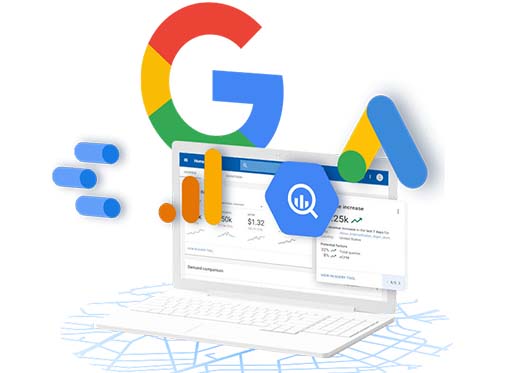
Google Display Ads

Retargeting Ads

Call tracking
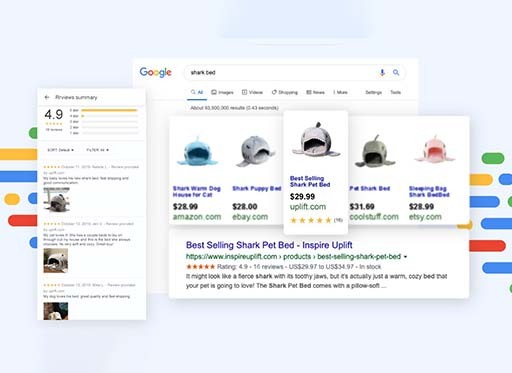
Google shopping
Youtube Ads
YouTube advertising has revolutionised the field of digital marketing. This platform has an unsurpassed reach thanks to its billions of users. OPTWEB uses the entire range of YouTube ad formats, including skippable, bumper, and video discovery advertising. Our talented staff creates intriguing, interesting videos that appeal to your target audience.
We optimise targeting choices to make sure your advertising is seen by the correct people and increase ROI. Whether your goal is to improve conversions, increase traffic, or raise brand exposure, our advertisements can draw viewers in, communicate your narrative, and give you the results you are looking for.

Our Social Media Marketing Process

Keyword analysis

Intriguing Ad copy

Regular optimization
What Our Clients has to Say




FAQs
What is Google AdWords, and how does it work for businesses?
Google Ads, formerly known as Google AdWords, is a dynamic online advertising platform offered by Google. Optweb Digital utilises Google Ads to empower businesses by enhancing their online visibility and effectively reaching their target audience. Operating as an auction-based advertising system, businesses bid on keywords relevant to their products or services. When users search using these keywords, the ads of bidding businesses may appear on the search engine results pages (SERPs) or other Google properties. Advertisers select keywords, create engaging ads, and participate in a real-time auction where bids, ad quality, and relevance determine the winning ads displayed to users. This pay-per-click (PPC) model ensures that businesses only pay when users click on their ads, offering a cost-effective approach.
Benefits of Google Ads for Businesses:
Google Ads offers businesses targeted reach, immediate visibility on SERPs, and measurable results through analytics. With control over advertising budgets and the ability to adapt campaigns in real-time, businesses can tailor their strategies to specific demographics, locations, and interests. Optweb’s Digital expertise in Google Ads includes thorough keyword research, compelling ad content creation, and campaign optimisation. Through transparent communication and detailed reporting, we keep clients informed about campaign performance. Partnering with Optweb Digital for Google Ads ensures businesses maximise the platform’s potential, increasing visibility, driving targeted traffic, and achieving their online marketing goals.
How can PPC advertising benefit my business compared to other forms of online advertising?
PPC advertising, especially when orchestrated by Optweb Digital, stands out as a powerful and effective tool for businesses, offering several distinct advantages compared to other forms of online advertising.
PPC advertising offers several benefits for businesses, including:
Immediate Visibility: PPC ads provide instant visibility on search engines, ensuring that your business is immediately in front of potential customers.
Controlled Budgets: Businesses have control over their advertising budget and can set daily or monthly limits to manage spending.
Targeted Advertising: PPC allows for precise targeting based on keywords, demographics, location, and more, ensuring that ads reach the right audience.
Measurable Results: The performance of PPC campaigns is easily measurable, providing insights into clicks, impressions, and conversions.
Quick Adjustments: PPC campaigns can be adjusted in real-time, allowing businesses to respond swiftly to changing market conditions.
What is the difference between PPC and organic search results?
The main difference between PPC and organic search results lies in how they appear on the search engine results page. PPC results are ads that advertisers pay for, and they are typically displayed at the top and bottom of the page. Organic search results, on the other hand, are listings that appear naturally. While PPC results offer immediate visibility, organic results are earned through effective SEO strategies.
How does the bidding process work in PPC advertising?
In PPC advertising, businesses bid on specific keywords that are relevant to their products or services. The bidding process involves deciding how much an advertiser is willing to pay for a click on their ad. Advertisers set a maximum bid, which represents the highest amount they are willing to pay. However, the actual cost per click (CPC) may be lower, as it is influenced by factors such as ad relevance, landing page quality, and competitor bids.
What is the average cost-per-click (CPC) in Google AdWords?
The average cost-per-click (CPC) in Google AdWords varies widely based on factors such as industry, competition, and the quality of your ads. On average, CPC can range from a few cents to several dollars. It’s essential to note that CPC is a bid-based system, and advertisers set the maximum amount they’re willing to pay for a click. The actual CPC is influenced by factors like ad relevance, landing page quality, and competitor bids.
How can I set a budget for my PPC campaign, and what factors influence the budget?
Setting a budget for your PPC campaign involves considering your overall advertising goals, the competitiveness of your industry, and your willingness to invest. Factors influencing your budget include keyword competition, geographic targeting, and the expected cost-per-click. It’s crucial to strike a balance between achieving your advertising goals and managing costs effectively. Regular monitoring and adjustments to your budget based on campaign performance ensure optimal resource allocation.
How do you target specific audiences with PPC campaigns?
Targeting specific audiences in PPC campaigns involves leveraging various settings and options provided by the advertising platform. These include:
Keyword Targeting: Choosing relevant keywords ensures your ads appear when users search for specific terms.
Demographic Targeting: Refining your audience based on factors like age, gender, and income.
Geographic Targeting: Showing ads to users in specific locations, whether local, regional, or global.
Device Targeting: Tailoring campaigns for specific devices like desktops, tablets, or mobile devices.
Remarketing: Targeting users who have previously interacted with your website or ads.
What are the key components of a successful PPC campaign?
A successful PPC campaign integrates several key components:
Keyword Research: Thorough research to identify relevant and high-performing keywords.
Compelling Ad Copy: Creating engaging and relevant ad copy that encourages clicks.
Landing Page Optimisation: Ensuring that the landing page provides a seamless and relevant user experience.
Ad Extensions: Utilising ad extensions to provide additional information and encourage interaction.
Conversion Tracking: Implementing conversion tracking to measure the success of specific actions.
Regular Monitoring and Adjustments: Ongoing analysis and adjustments based on performance data.
Can PPC advertising work for local businesses, or is it more suitable for online retailers?
PPC advertising is highly effective for local businesses, not just online retailers. Local PPC campaigns can target specific geographic areas, ensuring that businesses show up in search results when potential customers in the local vicinity are actively searching for products or services. Features like location extensions and local targeting options make PPC an excellent tool for local businesses aiming to increase visibility within their community.
What is the significance of Quality Score in Google AdWords?
Quality Score is a crucial metric in Google AdWords that evaluates the relevance and quality of your ads. It impacts your ad’s position on the search results page and the cost-per-click (CPC). A high-quality score rewards advertisers with lower CPCs and better ad placements. Google considers factors such as click-through rate (CTR), ad relevance, and landing page quality when determining Quality Score. Focusing on improving these elements enhances the overall performance of your PPC campaign, delivering better results and cost-effectiveness.
Do I need professional help to set up and manage my PPC campaigns, or can I do it myself?
While it’s possible for you to set up and manage PPC campaigns independently, the complexity of the advertising platforms and the continuously evolving landscape make professional assistance highly valuable. PPC professionals have expertise in keyword research, bid management, ad creation, and campaign optimisation. Their experience ensures that campaigns are strategically executed, targeting the right audience and maximising return on investment. Professional help not only saves time but also enhances the likelihood of achieving optimal results from your PPC efforts
What are the common mistakes to avoid in PPC advertising?
Avoiding common pitfalls is crucial for the success of PPC campaigns. Common mistakes include:
Ignoring Quality Score: Neglecting the factors that contribute to Quality Score can result in higher costs and lower ad positions.
Poorly Defined Goals: Lack of clear campaign objectives can lead to ineffective targeting and wasted budget.
Ignoring Negative Keywords: Failure to exclude irrelevant keywords can result in ad spend on unqualified clicks.
Lack of Ad Testing: Not regularly testing ad variations hinders the identification of optimal messaging.
Ignoring Analytics: Failing to analyse performance data can prevent informed decision-making and optimization.
Being aware of these pitfalls helps advertisers build more successful and efficient campaigns.
How quickly can I expect to see results from a PPC campaign?
The timeline for seeing results from a PPC campaign varies based on several factors, including competition, industry, and campaign optimisation. Generally, PPC offers a relatively quick way to drive traffic and results can be seen within days or weeks. However, achieving optimal performance and a positive return on investment may take longer. Factors such as campaign complexity, keyword competitiveness, and the effectiveness of ad creatives play a role. Regular monitoring, adjustments, and continuous optimisation are key to accelerating results and maximizing the impact of your PPC efforts.
Is it possible to target specific demographics or locations with PPC advertising?
Absolutely, one of the strengths of PPC advertising is its ability to precisely target specific demographics and locations. Platforms like Google Ads and social media advertising (Facebook Ads, LinkedIn Ads) offer robust targeting options. These include:
Geographic Targeting: Specify the locations where your ads should appear, whether it’s a city, region, or country.
Demographic Targeting: Refine your audience based on demographics such as age, gender, income, and more.
Behavioural Targeting: Reach users based on their online behaviour and interests.
Device Targeting: Tailor campaigns for specific devices like desktops, tablets, or mobile devices.
This level of targeting ensures that your ads are shown to the most relevant audience, improving the efficiency and effectiveness of your PPC campaigns.
What platforms other than Google AdWords offer effective PPC advertising options?
While Google AdWords (now Google Ads) is a dominant player in PPC advertising, there are several other platforms that offer effective options:
Bing Ads: The Bing search engine has its own advertising platform that allows for PPC campaigns.
Facebook Ads: Facebook’s advertising platform enables highly targeted PPC campaigns based on user demographics, interests, and behaviour.
LinkedIn Ads: Particularly effective for B2B marketing, LinkedIn Ads offer precise targeting based on professional attributes.
Twitter Ads: Twitter’s advertising platform allows for promoted tweets and accounts with targeting options.
Amazon Advertising: Ideal for e-commerce businesses, Amazon’s advertising platform enables PPC campaigns on the popular e-commerce site.
Each platform has its unique strengths and audience demographics. The choice of platform depends on your business goals, target audience, and the nature of your products or services.