
“The best time to invest in SEO was five years ago. Being ahead of your rival is the second-best time.”
That quote gets a nod in boardrooms for a reason. Right now, small businesses are at a crossroads. Paid ads are getting pricier. Social media reach is unpredictable. Customers are researching more than ever before they make a purchase. And Google? Google is still where intent lives.
According to recent industry data, 68% of online experiences still begin with a search engine (source: searchatlas.com), and nearly 46% of Google searches are for local products or services (source: digitalseoland.com). That’s not marketing fluff. That’s buyer behaviour.
The question isn’t “What is SEO?”
It’s this:
Is SEO actually worth it for a small business with a limited budget, limited time, and very real pressure to see results?
From boosting visibility to turning clicks into customers, we’ll explore how SEO can transform a small business and whether investing in it makes sense for you. Here are the practical insights backed by real-world outcomes.
What Is SEO (Really), and Why Does It Matter for Small Businesses?
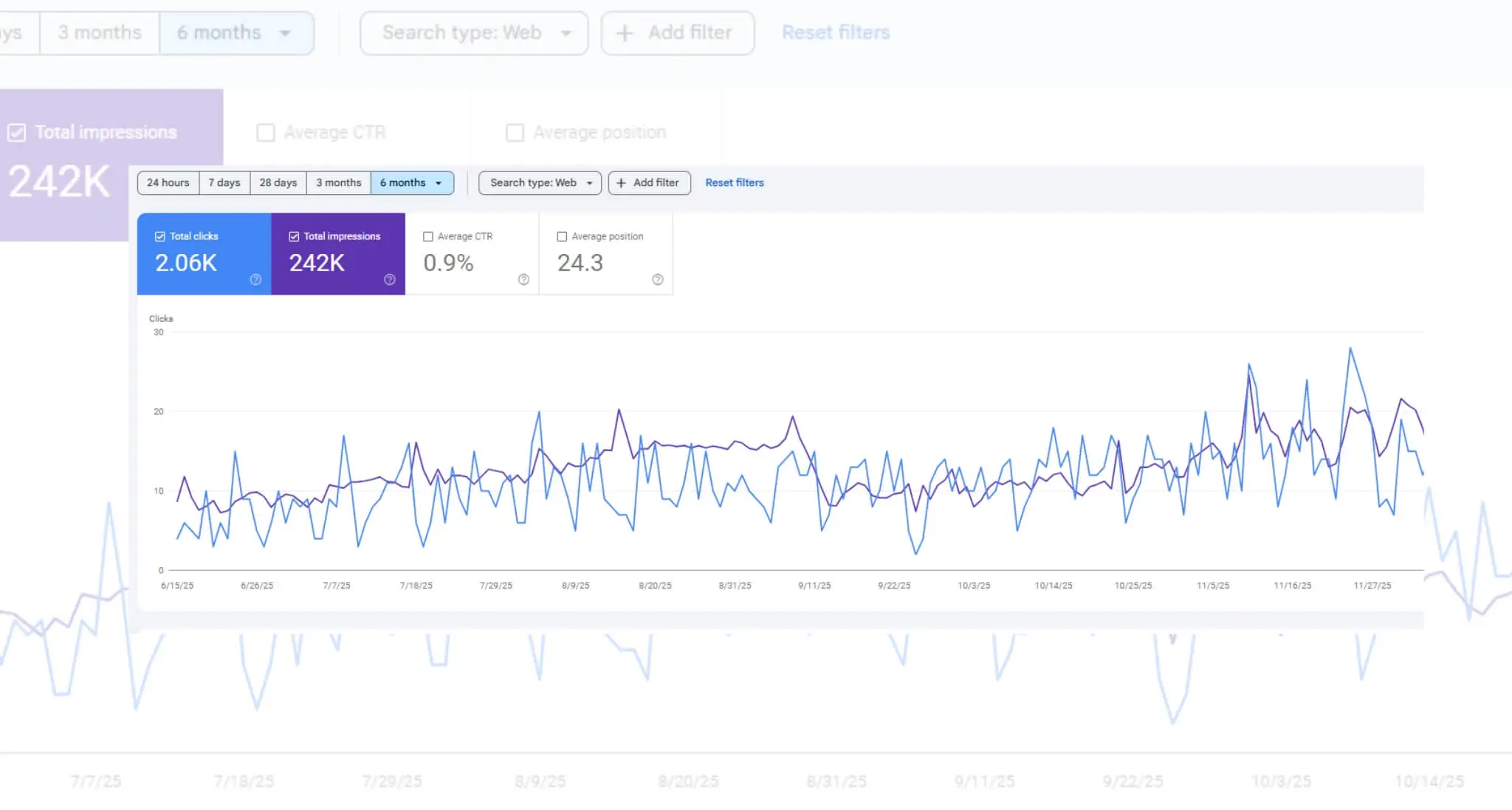
Search engine optimisation isn’t about tricking Google. Those days are long gone. Today, SEO isn’t just about being online; it’s about being found where your customers are already searching.
At its heart, it’s about:
- Making your website easy to use and navigate
- Sharing content that actually answers the questions people have
- Showing up for the words and phrases your customers are typing into Google
- Building trust through things like reviews, recommendations, and authority
- Making sure your site operates nicely on any device
- Seeing what’s working, improving it, and doing more of it
For small businesses, this is huge.
People don’t click ads blindly anymore.
They compare.
They read reviews.
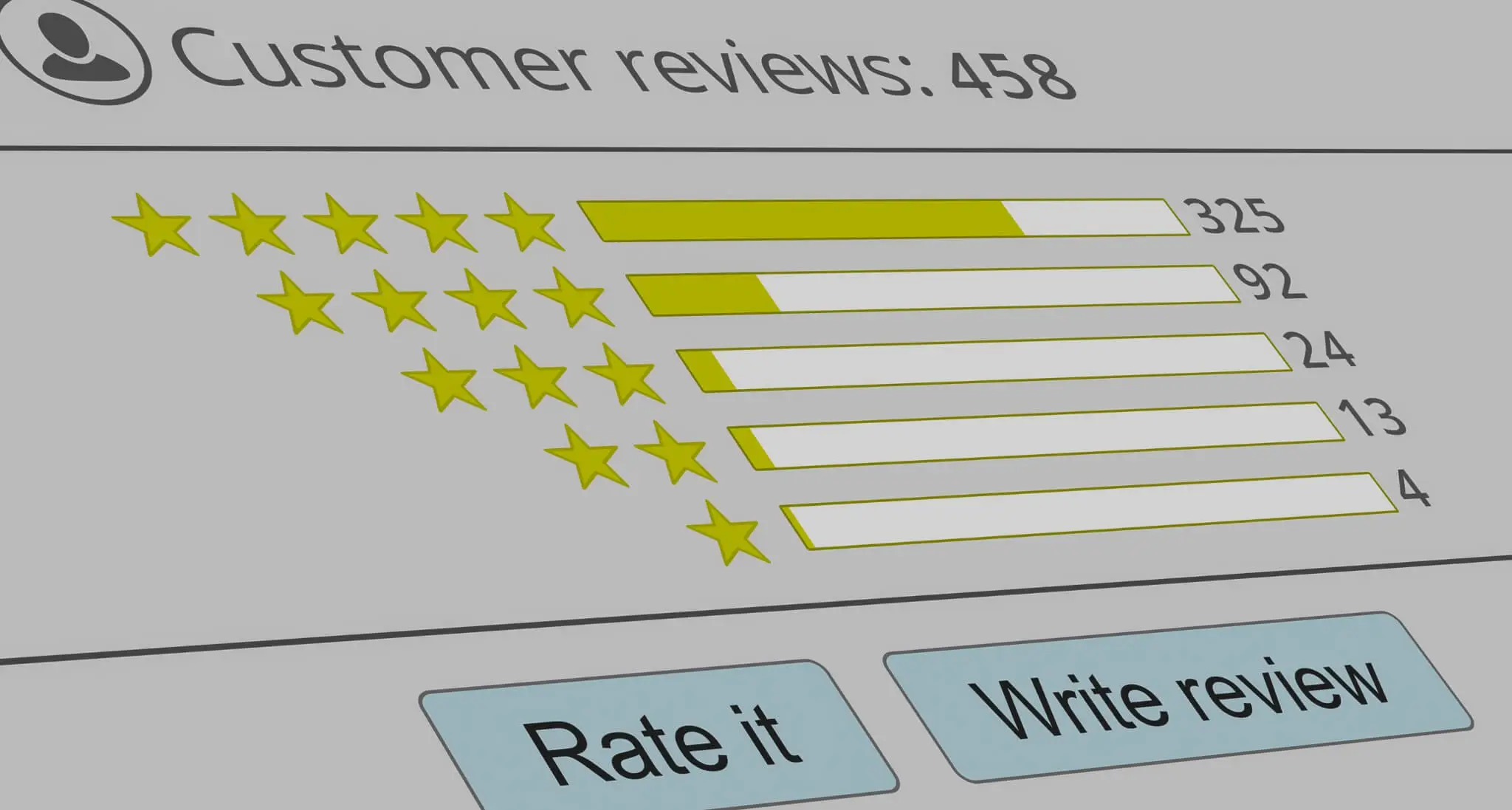
They search “best”, “near me”, “cost”, “reviews”, “is it worth it” before making decisions.
If your business doesn’t show up during that research phase, you’re invisible, even if you’re excellent at what you do.
What Is SEO?
Search engine optimisation (SEO) is the process of improving your website so it appears higher in organic search results on platforms like Google and, more recently, on LLMs like ChatGPT and Perplexity. Unlike paid ads, SEO isn’t about renting attention; it’s about earning it. People will find your business on their own when you do it right, and you won’t have to pay for every click.
SEO is comprised of four main parts:
| What It Is | What You Do | Why It Helps |
| Keyword Research | Determine the terms and phrases that your clients are genuinely looking for | Brings the right people to your site |
| Website Optimisation | Make your website quick, user-friendly, and organised | Helps in the comprehension of your website by both users and search engines |
| Content Strategy | Share helpful, relevant content | Builds trust and shows your expertise |
| Analytics & Tracking | See what’s working and what’s not | Lets you improve and grow smarter over time |
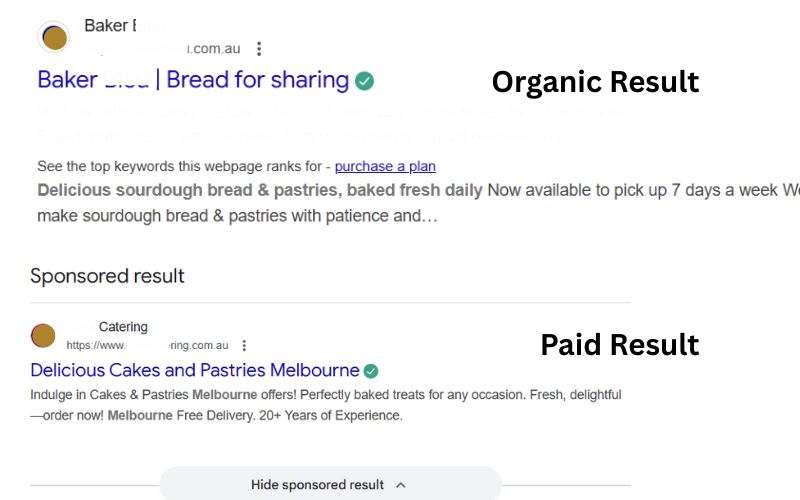
This is how paid advertisements differ from other marketing channels: they can produce results quickly, but the traffic vanishes as soon as you stop paying. Conversely, SEO evolves over time, generating lasting visibility and ongoing opportunities to engage with clients.
How SEO differs from other marketing channels
Instant traffic comes from paid advertising, such as PPC services, but visibility vanishes the moment you stop paying. SEO works differently. It compounds over time. When done well, it continues to deliver traffic, leads, and enquiries long after the work is complete.
That long-term effect is exactly why SEO marketing for small businesses has become such a powerful growth lever.
Why Small Businesses Should Consider SEO
Small businesses don’t have the luxury of wasting marketing dollars. Every channel must pull its weight.
Search engines are crucial for finding customers, particularly for local and service-oriented businesses. If someone is looking for:
“electrician near me”
“best accountant for small business”
“local SEO agency Australia”
…they’re actively searching for a solution.
SEO for small business owners ensures your brand appears at the exact moment customers are ready to act. And that timing matters more than any flashy ad.
Business-Building Benefits of SEO for Small Businesses
Increased Online Visibility
If customers can’t discover you, they can’t choose you.
SEO helps your website rank higher in search results, bringing in more visitors who are already interested in your services. This is called organic traffic, and it’s one of the best sources of traffic you can get.
Why organic traffic is relevant for small businesses:
- It attracts people who want to take action.
- It gets more people to buy than cold traffic
- It creates visibility that lasts.
Local SEO for small businesses is especially helpful for those based in a specific area. When you optimise for suburb-level searches and Google Maps, your business is right in front of customers who are ready to buy.

Cost-Effective Marketing Strategy
It doesn’t always work, and traditional advertising can get expensive very quickly. SEO is a long-term strategy that continues to pay off.
Here’s how SEO compares:
| Marketing Channel | Cost Over Time | Long-Term ROI | Customer Intent |
| Paid Advertising | High (ongoing) | Short-lived | High |
| Print / Radio Ads | High | Hard to track | Low |
| SEO for Small Businesses | Moderate | High & compounding | High |
Once your website starts ranking, you’re not paying for every click. Over time, SEO ROI for small businesses is often better than that of other marketing channels and lowers the cost of getting new customers.
Building Credibility and Trust
High rankings don’t just get people to click; they also builds trust. People trust businesses on page one the most. Over 94% of users actually skip paid ads and go straight to organic results (source: wordstream).
SEO boosts credibility by:
- Showing your business as an authority in your field
- Consistently sharing valuable content that helps your audience
A good content strategy not only brings in new visitors, but it also builds trust in your brand and keeps people coming back.
Supporting Business Growth
SEO isn’t only about moving up in search results. It’s about real, measurable growth. SEO is critical for small businesses to generate revenue and stay in business because it brings in the right visitors, converts them into leads, and ultimately into customers.
A good SEO plan for small businesses doesn’t just help them rank better; it also gets them real results:
- Attracts qualified leads who are already considering your offerings.
- Boosts conversion rates by connecting with the right audience
- Supports sustainable revenue growth over time
Instead of trying to match the size of their larger competitors, many small businesses have done better by focusing on niche targeting, local relevance, and customer intent.

Common SEO Challenges for Small Businesses
Budget Constraints
Let’s discuss the fact that money is often the biggest problem. Small businesses have to juggle SEO alongside staffing, operations, and other priorities. Hiring a small SEO agency or SEO consultants for small businesses does require an upfront investment. Check out our SEO Pricing calculator to get more info.
The good news? SEO can be scaled. Businesses can:
- Start small with high-impact actions
- Focus on the areas that deliver the best results first
- Expand efforts as the return on investment grows
Competition in Search Rankings
It’s not always easy to compete with bigger companies. Small businesses can find their niche and compete effectively by using the right strategy, such as focusing on long-tail keywords, local search, and the needs of specific customers.
It’s not about beating all of your competitors in SEO; it’s about beating the right ones.
Small businesses get results by:
- Focusing on long-tail keywords that bring in people who are ready to buy
- Optimising for local searches to reach nearby customers. Google Business Profile optimisation is great for this
- Making content that really gives users what they want
This method helps small businesses compete smartly rather than aggressively, and they often achieve better results than competing directly with big brands.
Time and Resource Investment
SEO isn’t instant. It takes consistent effort and patience. The work adds up, from updating content to improving your website and keeping track of the results. But if you do it right, the rewards can be huge.
Most small businesses begin to see significant changes within 3 to 6 months, and even larger changes within 6 to 12 months. That’s why it’s important to have realistic expectations.
SEO is a marathon, not a sprint. Every time, consistency wins over speed.
Essential Elements of a Successful SEO Plan for Small Companies
Keyword Research and Targeting
Keyword research helps you find the exact words and phrases that people are using to search for your business on Google. It shows you what people are actually looking for, rather than guessing, so your website attracts visitors who are already interested in what you offer. Targeting the right keywords lays the foundation for a strategy that drives traffic that can turn into real leads and sales.
Long-tail keywords are especially powerful because they attract people who are ready to take action, are easier to rank for than broad terms, and usually convert better. Using them thoughtfully is the backbone of a strong SEO strategy for small businesses, driving traffic that’s much more likely to turn into enquiries or sales.

Website Optimisation
Website optimisation is about ensuring your site performs well for visitors and search engines. A site that loads quickly, is easy to navigate, and looks good on any device keeps users engaged and helps your SEO. This includes quick load times, a mobile-friendly design, a clear, logical site structure, optimised meta tags and headings, and smart internal linking. Together, these technical SEO elements help search engines crawl, understand, and rank your website more effectively, while also improving the user experience.
Content Strategy
A strong content strategy helps answer the “why” and “how” behind customer searches by delivering information that matches user intent. Through blogging, well-optimised service pages, and helpful guides, content improves search rankings, supports lead generation, and builds trust with potential customers. When done right, content remains one of the best ways for small businesses to drive organic traffic.
Local SEO for Small Businesses
Businesses serving specific areas need local SEO.
Key tactics include:
- Google Business Profile optimisation
- Local citations
- Customer reviews
Positive reviews alone can increase conversions by up to 28%(source: BrightLocal), making them critical for local SEO success.
Tracking and Analytics
Tracking and analytics are important because SEO is just a guess without measurement. Businesses can identify what’s working, spot gaps, and continually refine their SEO strategy to maximise return on investment by monitoring organic traffic, keyword rankings, conversions, and overall revenue impact.
Evaluating the ROI of SEO for Small Businesses
Tracking keyword rankings is not enough to measure SEO success. Organic traffic growth, the number and quality of leads generated, conversion rates, and the accuracy with which revenue can be linked to organic search efforts are all key performance indicators. When you look at these numbers together, they give you a clear picture of how SEO really affects the business. The main goal of SEO is not just to get higher rankings but to get consistent, qualified traffic that leads to measurable, long-term business growth.

Comparing SEO to Other Marketing Channels
It’s not a matter of choosing between SEO and paid ads. It’s all about finding the right balance.
Paid ads help you get short-term visibility, while SEO helps you grow over time. When used together, they make a complete digital marketingplan for a small business.
Determining the Value of SEO Investment
The ROI of SEO depends on:
- Industry competition
- Keyword strategy
- Execution quality
- Business goals
When performed right, professional SEO services for small businesses can give you some of the best long-term returns.
Is SEO Worth It for Small Businesses?
Key Takeaways
Benefits
- Brings in steady, long-term traffic to the website that keeps growing
- Costs less to get new customers than paid ads
- Builds trust and credibility by showing up where customers search
- Helps businesses grow over time by generating leads consistently
Challenges
- Takes time and patience to see real results
- Requires thoughtful budget planning and resource management
- Can be competitive, especially in crowded markets
Final Considerations for Small Business Owners
SEO is neither a miracle nor a quick fix. However, it is well worth it for small businesses seeking consistent leads, predictable visibility, and scalable growth.
Whether you handle SEO in-house or partner with an experienced SEO agency for small businesses, the key is alignment: ensure your strategy, goals, and execution work together.
At Optweb Digital, we help small businesses transform SEO from a marketing expense into a growth engine.


